This is one of the first practical questions anyone planning a pilgrimage runs into, and the honest answer is that it depends on how much of the trip you want to spend in Makkah versus Madinah and how much rest you’re building in along the way. Working out how many days for Umrah starts with the rituals themselves before adding in travel and rest.
The Rituals Themselves Don’t Take Long
Umrah, the core rites of Tawaf, Sa’i, and cutting the hair, can technically be completed in a few hours for someone moving at a steady pace with no crowds. In practice, almost nobody does it that way. Crowds, prayer times, and simple fatigue stretch that into a full day for most pilgrims, and that’s before factoring in the rest of the trip. Anyone arriving straight off a long-haul flight should also expect the first attempt to take longer simply from tiredness alone.
A Realistic Minimum: Three to Four Days
For pilgrims short on time, three to four days in Makkah alone covers the pilgrimage with room for a couple of prayers at the Haram and one rest day. It’s tight, and it doesn’t leave time for Madinah, but it works for travelers combining Umrah with a business trip or squeezing it into a short break.
The Common Middle Ground: Seven to Ten Days
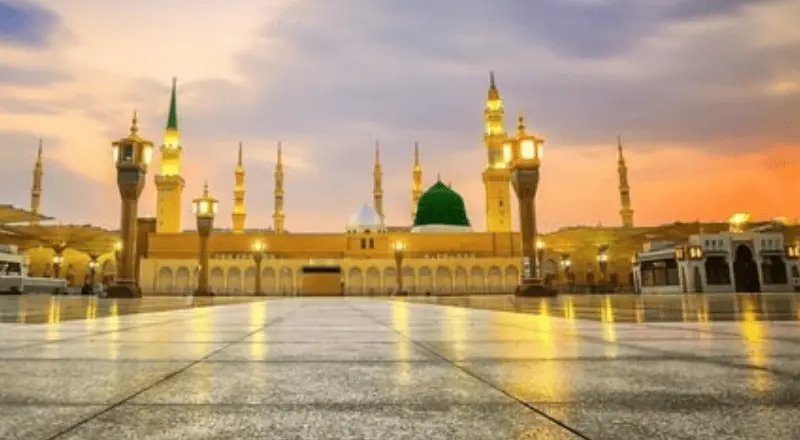
Most first-time pilgrims land somewhere in this range, and it tends to be the ideal Umrah duration for balancing the pilgrimage with a proper visit to Madinah. A rough split looks like four or five days in Makkah, a four to five hour transfer, then three or four days in Madinah visiting Masjid an-Nabawi and the surrounding historical sites, with a rest day somewhere in the middle.
Two Weeks or More: For a Slower Pace
Pilgrims traveling with elderly parents, young children, or simply preferring a slower rhythm often extend to two weeks or beyond. This allows Tawaf and Sa’i to be split across multiple shorter sessions rather than completed in one long stretch, and it leaves room for the kind of quiet, unhurried worship that a tighter schedule doesn’t really allow.
Factors That Should Shape Your Number
- Physical stamina: elderly travelers and young children generally need more days spread across fewer activities each day.
- Which season you’re traveling in, Ramadan crowds move more slowly than off-peak months, and that affects how long everything takes.
- Whether you’re visiting both cities, Makkah alone needs far less time than a Makkah and Madinah combination.
- How much rest you actually want, a trip with zero buffer days tends to feel rushed by the final day.
Factoring In the Jeddah Arrival and Departure
Most itineraries begin and end in Jeddah, and the transfers to and from Makkah or Madinah add a half day or more on each end that’s easy to forget when counting total days. Building this into the plan up front avoids the miscalculation of assuming every day will be spent purely on ritual and rest.
Building In Buffer Days
Flights get delayed, people catch colds, and Ramadan crowds move slower than expected. Adding one buffer day to whatever number you land on protects the trip from a single hiccup turning into a missed flight or a rushed final day of worship. It’s a small addition that makes a noticeable difference to how the whole trip feels.
Matching the Trip to the Traveler
There’s no single correct number of days, only the right number for the specific group traveling. A fit, first-time pilgrim traveling alone can manage comfortably in under a week. A family with grandparents and small children usually needs closer to two weeks, simply because the pace has to accommodate everyone rather than the fastest person in the group.
iLinkTours builds Umrah itineraries around the pace that suits each traveler, whether that’s a compact few days or a slower two-week trip covering both holy cities in full.